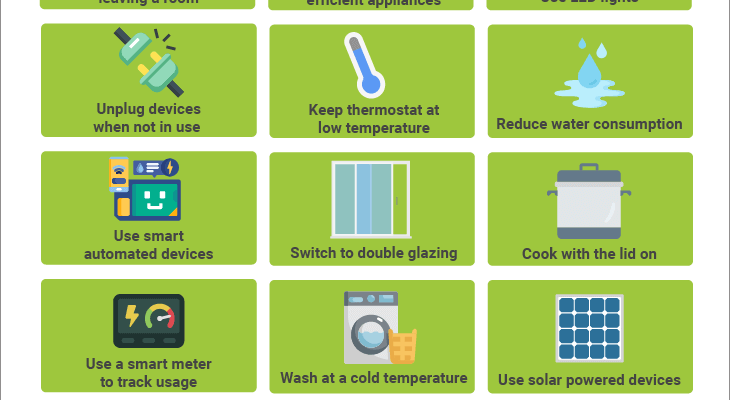
Energy costs are constantly increasing, but most homeowners routinely use a lot of electricity. Not only does the family budget suffer, but above all the environment suffers. Because a large part of our energy still comes from fossil fuels, which leads not only to a shortage of raw materials, but also to large amounts of CO2 product. Even small adjustments can help save electricity in your home. In this article we give you 10 tips on how you can easily reduce your energy consumption.
10 tips for saving electricity at home
1. Use the correct hob when cooking
The difference may seem small, but you actually use much less energy when you cook with the right size griddle. Otherwise, some of the heat will be released into the environment instead of heating the pan and its contents. Also cook with a lidto keep the heat in the pan as long as possible. This way you get the most out of the energy you use.
2. Heat small quantities of water in the kettle instead of the pan
Another tip that helps save electricity at home is to heat small quantities of water in the kettle. This brings water to the boil faster than a hob and therefore uses less energy for the same result. The markings provided are also handy for measuring the amount of filling needed. This means they only cook what they need and don’t produce any surplus.

3. Cook without preheating
Those who love to cook a lot know that it is often not necessary to preheat the oven. Cakes, stews and other delicacies come out well even if they are placed in the tube without it already being at the right temperature. If you skip preheating you will save about 10-15 minutes of the oven consuming electricity for no reason.
4. Wash clothes at 30°C
Would you like to make your home more environmentally friendly? Then in the future you should wash your fabrics at low temperatures. Most detergents dissolve completely in warm water, so dirty laundry can easily be washed at 30 degrees Celsius. This not only saves energy and CO2but it also protects the fibers of your clothing, which are stressed by hot water and therefore wear out faster.
5. Allow wet laundry to air dry instead of tumble drying
Wind and warm air are always available for free outdoors. So why not dry your laundry there? The fabrics are also well aired on the dryer in the garden or on a clothesline on the balcony, which gives the laundry a fresh, pleasant scent. If you let your laundry dry in the open air, you will not only save a lot of electricity in your home, but you will also protect your clothes and not have to spend money on an expensive dryer.
6. Defrost the freezer and refrigerator regularly
Even refrigerators and freezers can become real energy guzzlers. Not only by leaving them open for too long, but also by neglecting the care of both devices. Over time, a layer of ice forms on the internal walls which makes it difficult for the device in question to cool food to the desired temperature. Energy consumption increases and with it the costs of electricity. If you regularly defrost your refrigerator and freezer, your job will be easier and you will also save a lot of energy.
7. Use household appliances in the ECO program
Saving electricity at home does not always require great effort. Often, simply pressing a button is enough to reduce energy consumption. Many washing machines and dishwashers are equipped with so-called ECO programs, which are much cheaper than the standard program: they consume less water and heat it less, which makes saving electricity in the house a breeze. The dishes and linens will still be clean afterwards. Try it.
8. Use power strips with switches
Many household appliances consume electricity even when not in use. Simply plug it into a power outlet to put it in ready-to-use mode. This is usually signaled by a light on your device, such as a television. Here it is worth switching to multiple sockets with switches. If the devices are not used, the power supply can be interrupted without having to unplug each individual plug.
9. Do not leave electrical appliances on stand-by
Of course, the temptation to put your laptop, game console etc. in standby mode to be able to use them again in seconds is great. However, this actually results in huge energy consumption. Approximately 20% of a household’s annual energy consumption comes exclusively from standby mode. It is therefore best to turn off devices that will not be actively used for a while.
10. Shower instead of bath
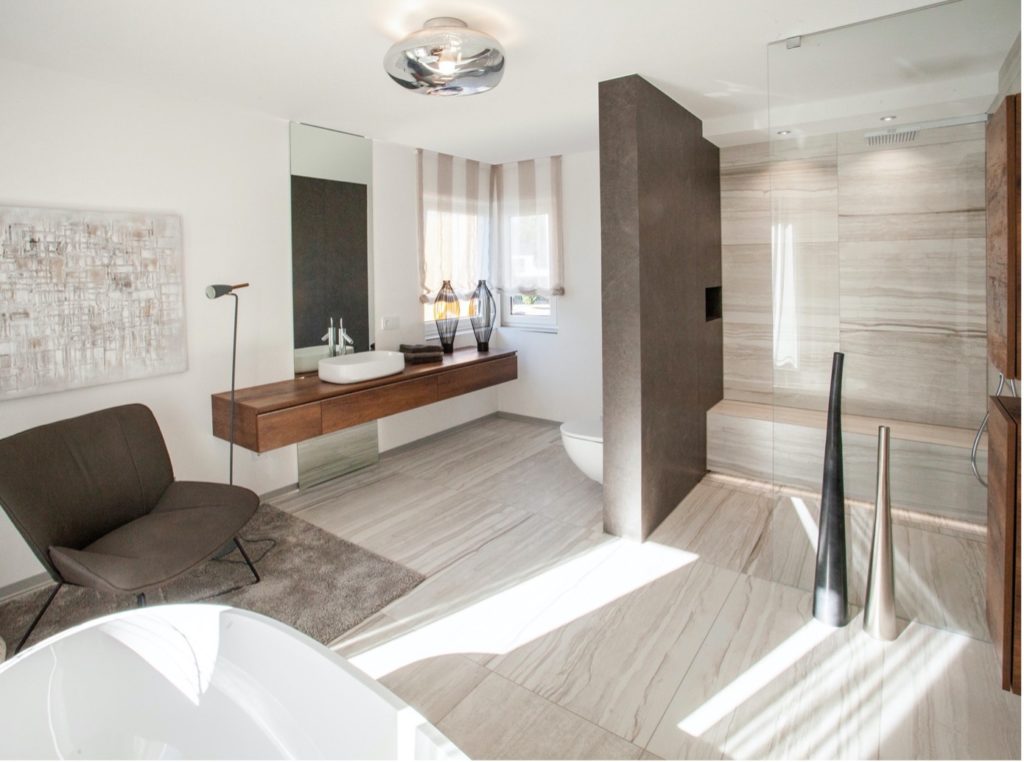
Of course, we don’t want to dissuade anyone from taking the occasional relaxing bath. However, if you run a full bath several times a week, you will use both enormous amounts of water and an excessive amount of electricity. Finally, bath water must be heated before flowing into the tub. It usually holds 150 to 200 litres, which corresponds to a shower lasting around ten to twelve minutes. If you reduce your shower time to every other time, you will significantly save on electricity and water costs.
Conclusion
Saving electricity at home is possible with small adjustments to everyday life. The prerequisite is to know what you use a lot of energy for every day and in which areas you could be more economical. The desire to change something in one’s behavior is also important. Try it and do something good for the environment and also for your wallet. Do you use other tricks to save electricity in your home? Feel free to share them with us in the comments!
For further reading
Would you like to use your home’s electricity in an environmentally friendly way? Then you should think about a solar system. In our “photovoltaic experience report” one of our customers describes how the installation of such a system went for him and whether he was convinced of the sustainable way of producing energy.
latest posts published

The Magic of Flowers from Seeds: How to Grow Beauty from Scratch – Home & Family > Plants

The most beautiful autumn flowers. Perennial plants to have in the garden – Home and family > Plants

Sunflower, romantic and seductive – Home and family > Plants
Plants with good Feng Shui – Home and family > Plants

Which vegetables grow the fastest? 10 varieties to have in the garden – Home and family > Plants
Dwarf roses: color and freshness – Home and family > Plants

How to make potted lilacs last longer – Home and family > Plants

Bayer plants for a green future! – Home and family > Plants

Trees with good Feng Shui – Home and family > Plants