It is known that most accidents occur at home. Young children in particular can quickly injure themselves by falling, hitting furniture corners or touching the hot stove. Parents can avoid this by taking protective measures and childproofing their home. In this article we explain what risks there are to consider in each room and what tools you can use to childproof your home.
Childproofing your home: sources of danger by room
The more often the child is in a room, the higher the safety measures should be. If you want to childproof your home, it’s best to think about what risks exist in which room so you can then mitigate them. The easiest way is to go through all the rooms one at a time. We will illustrate this principle using examples in the nursery, bathroom and kitchen.
nursery
Your child’s kingdom is both a place to rest and a place to play and should meet all of his needs. Above all, though, it should be safe. Consider these aspects especially in the children’s room:
- Toy: Toys can also pose a danger, for example if they contain small parts that can be swallowed and come off easily. Also make sure that the battery compartments are tightly closed so that the child does not remove the batteries and swallow them. Metal toys may have sharp corners and edges that children can cut themselves on. So it’s best to avoid it altogether. The GS brand stands for “safety tested” and usually indicates toys that the child can play with without hesitation. Toys with high educational added value also carry the “Spiel gut” logo.
- Lighting: For lighting, as well as for other electronic devices, it is always important that neither sockets, cables nor batteries are accessible to children. Then secure all components well. Children’s lamps and fairy lights should also have the GS mark, i.e. the tested safety seal – or at least the CE mark, which confirms that the product has been tested by the manufacturer and that it meets all EU requirements for safety, health protection and environmental protection.
- Changing table: Make sure your changing table is large enough to have enough room to change and everything you need within easy reach. High side walls can prevent babies from rolling to the side and falling off the changing table. Always trust your senses when it comes to children’s furniture. If, for example, the changing table smells strange, it is not made of high-quality materials and may even be made of harmful materials.
- Crib: Baby cots are usually equipped with protective sides. These should protrude about 30 centimeters above the slatted base so that the child cannot climb over them. The bars should also be fairly close together, i.e. less than six centimeters apart. If there are casters on the bed, they must be secured. Also, toys hanging on the bed should be removed as soon as the child can sit up unaided.
bath
Children usually spend only a few minutes in the bathroom. However, this happens every day, for example when they are bathed or bathed, or when their teeth are brushed. Often, a brief moment of inattention is enough for children to suffer an injury. So don’t skip the bath when babyproofing your home.
- Basin: A non-slip mat can prevent falls in the bathtub and thus prevent children from hitting their heads on the edge of the tub or the faucet. A mat or towel in front of the tub also prevents children with wet feet from slipping on the tiles.
- Bathroom sink: As with other furniture, sharp corners of the sink must be secured so that children do not seriously injure themselves if they collide.
- Shower gel, perfume and co.: Cosmetics must absolutely be kept out of the reach of children. Store all cans or bottles in a well-protected cupboard or at a height that little ones can’t reach, even by climbing.
Kitchen
When it comes to childproofing your home, the kitchen is one of the first points of contact. Because there are dangers lurking here that should not be underestimated. Therefore, check whether good child safety is guaranteed in the following places:
- Flock: Children’s fingers on the hot stove are every parent’s horror scenario. So make sure a burn can’t happen in the first place. Stove guards are easy to install and prevent children from touching the stove.
- Oven: A so-called «oven door stopper» prevents children from opening the oven themselves and burning themselves on the walls or on the pots and pans in the oven.
- Knives and cutlery: Pointed and sharp objects such as kitchen knives and cutlery, but also appliances such as slicers and potato peelers, must be kept out of reach of children. Child safety devices on cabinets and drawers help keep items safe.
- Detergents: Cleaning products of any kind should also be kept out of the reach of children. So store bottles and boxes well and secure cupboards with a door stop or child lock for drawers.
Tools to childproof your home
It is best for parents to start protecting the home before the baby reaches the age of crawling. This way the risk of injury is minimized right from the start. There are numerous tools on the market that will help you babyproof your home.
- Fuses for sockets prevent children from accessing sockets.
- Clamp protection for wardrobe doors deny access to sweets, alcohol, but also toxic substances such as cleaning products.
- Stove protection Make sure children do not touch the hot stove.
- Edge protection for corners and sharp edges of the table protect from fatal injuries in the event of an impact.
- Children’s drawer locks they allow you to safely store cutlery, lighters and other dangerous objects.
- Locks for ovens and dustbins protect little ones from burns and put rubbish in their mouths.
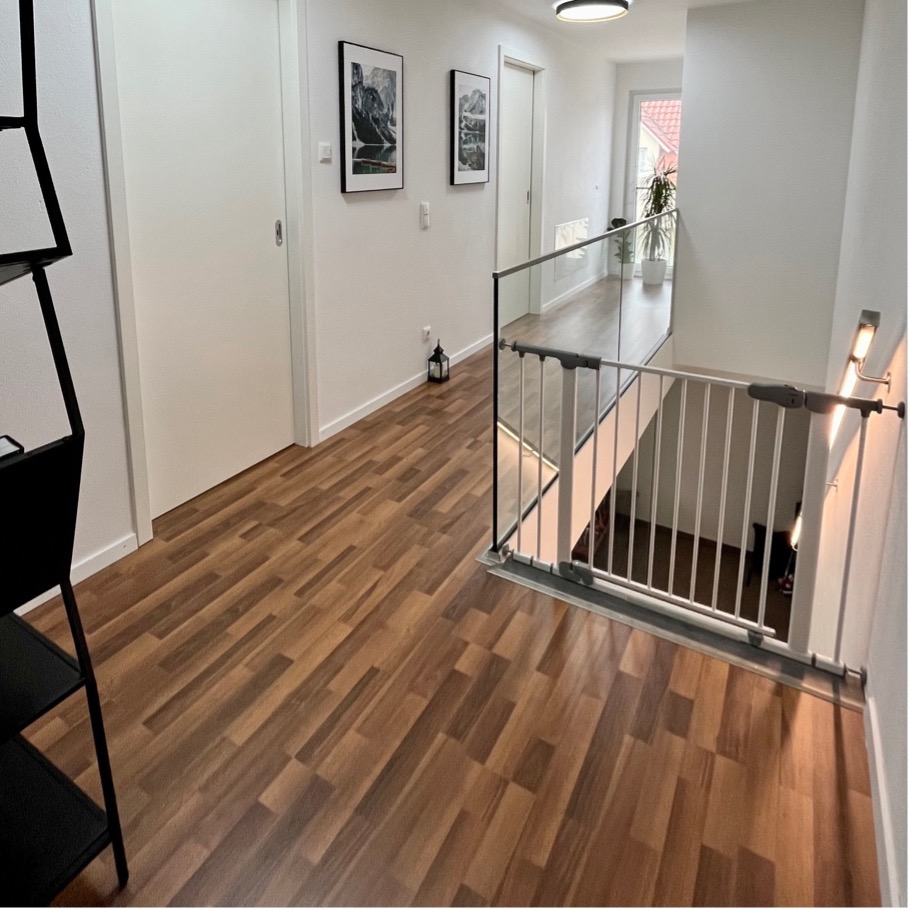
- Gates for the ends of the stairs protect small children from falling.
- Child safety locks for windows make sure children do not open the window and fall out.
Change perspective: look at the house from the children’s point of view
One trick you can use to identify possible dangers in your home is to put yourself in your child’s perspective. Because adults are significantly taller than their children, they quickly neglect places that pose a risk to their little ones. So walk around the house and crouch down from time to time before looking around. Think about what objects might be potentially interesting to your child or what places in the house would be ideal for climbing. If necessary, check whether the furniture is at risk of tipping over. After a certain age, children tend to climb on furniture or climb into lower drawers.
Conclusion
Setting up a child-friendly home requires first of all attention and a good awareness of the dangers. If you want to childproof your home, you can take a number of precautions, such as securing stairs and furniture and keeping dangerous objects out of reach. However, parents should also be aware that home security is never completed properly. Sources of danger often only appear with the passage of time. Therefore, go through your house with your eyes open and think for yourself if you want to ensure a safe home for children.
latest posts published

The Magic of Flowers from Seeds: How to Grow Beauty from Scratch – Home & Family > Plants

The most beautiful autumn flowers. Perennial plants to have in the garden – Home and family > Plants

Sunflower, romantic and seductive – Home and family > Plants
Plants with good Feng Shui – Home and family > Plants

Which vegetables grow the fastest? 10 varieties to have in the garden – Home and family > Plants
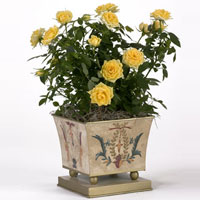
Dwarf roses: color and freshness – Home and family > Plants

How to make potted lilacs last longer – Home and family > Plants

Bayer plants for a green future! – Home and family > Plants

Trees with good Feng Shui – Home and family > Plants