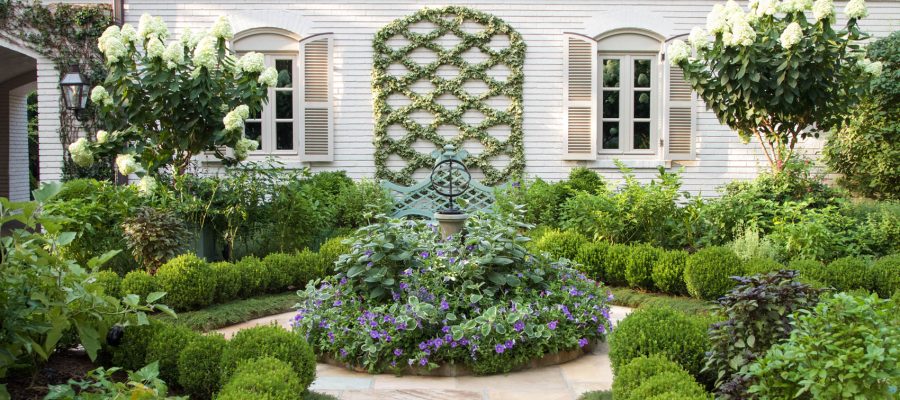
The facade is the face of a house and determines the first impression. Classic, modern, elegant or even more extravagant: the design possibilities are enormous. Adapted to the surrounding development and conditions of the region, the development plan of some cities and municipalities already defines a certain direction. The clinker brick facade is typical for Northern Germany, while wooden cladding is often found in the Alpine region. We will tell you what the different types of house facades are.
The different types of house facades – much more than just a wall
The main purpose of house facades is to protect the masonry from atmospheric agents, damage, heat loss and degradation. To ensure the appearance is correct, you should also ensure during the design that it matches the construction and architecture of your building. Therefore, always keep the big picture in mind. Do the different construction elements harmonize with each other and does the style also adapt to the rest of the surrounding environment? Whether a plastered facade, a clinker brick facade or a wooden facade, find out the advantages and disadvantages of each type of house facade here.
Plastered facade: the classic among house facades
Plaster is the most frequently chosen option when building a house. Compared to other types of home facades, the plastered facade is easy to create and therefore an economical solution. Due to the wide choice in terms of shape, color and structure, the design options are diverse. Depending on the building materials used, the plaster is applied to the composite thermal insulation system or applied to the single-shell external wall. One of the main disadvantages of plaster is that, due to environmental influences, the external facade must be repainted or cleaned at regular intervals.

Clinker brick facade – the Nordic favorite among house facades
Especially in northern Germany and in areas close to the coast, clinker is mainly used. A big advantage of bricks is that they are extremely weather resistant, even in strong winds and heavy rain. Furthermore, thanks to the high insulating effect, it is possible to save on heating costs. When it comes to clinker, a distinction is made between two variants: the actual front wall and the glued clinker brick strips. In the first case the facade of the house is built directly on the load-bearing walls. Furthermore, an intermediate insulation layer and a separating air layer ensure optimal thermal insulation. The clinker strips, on the other hand, are glued only to the external wall and can be easily fixed even at a later time. The effort required is significantly less, so the costs incurred are also lower. The visual appeal of a brick facade is retained, but homeowners must accept inferior sound insulation and a shorter shelf life.
Wooden facade – the type of comfortable facade of the house
The facades of wooden houses radiate warmth and comfort and give the house a natural touch. The choice of wood type, professional workmanship and assembly play a decisive role in the durability. Whether it is local wood or exotic wood from abroad, to avoid unpleasant surprises later, builders should carefully evaluate the different advantages and disadvantages in advance. The good thermal insulation properties of wood have a positive effect on energy costs. Intensive care is essential as biological influences cause discolouration and surface changes in the wood after just a few years. Unlike the classic plastered facade, the acquisition costs are significantly higher.

Unlimited possibilities: combining materials and colorful accents
Each material is unique and gives your home an individual character.
For a little extravagance you can easily combine the different types of house facades. The plaster harmonizes perfectly with the clinker brick. But natural reflections can also be created with wood. Profiled panels made of aluminium, titanium zinc or glass: builders are increasingly turning to new materials when designing house facades.
No matter which variant you choose, colorful accents can help you stand out from the facades of your neighbors’ homes. The following applies: less is more! In principle, colors always appear brighter on large surfaces than in the color chart. However, the structure of the building material can make the color appear darker. In clinker brick, in addition to the stones chosen, the color of the joints also determines the appearance of the masonry. To be safe, it is advisable to try the color on a sample surface first. Alternatively, you can take a look at our image gallery and draw inspiration from the facades of our Rötzer model houses.
latest posts published

The Magic of Flowers from Seeds: How to Grow Beauty from Scratch – Home & Family > Plants

The most beautiful autumn flowers. Perennial plants to have in the garden – Home and family > Plants

Sunflower, romantic and seductive – Home and family > Plants
Plants with good Feng Shui – Home and family > Plants

Which vegetables grow the fastest? 10 varieties to have in the garden – Home and family > Plants

Dwarf roses: color and freshness – Home and family > Plants

How to make potted lilacs last longer – Home and family > Plants

Bayer plants for a green future! – Home and family > Plants
Trees with good Feng Shui – Home and family > Plants