A construction project is a complex matter. You can get expert advice, plan and research – as soon as you get to work, mistakes still happen. This is completely normal and there is nothing to worry about, as most obstacles can be easily removed. However, when building a house you make mistakes that can cause serious problems later. In this blog post you will find the 10 biggest mistakes and tips on how to avoid them.
1. Not having clear ideas about the house
A common mistake construction families make is enthusiastically jumping into a building project without having a clear idea of what their home should look like. This can quickly lead to having significantly too much or too little living space available later on. Therefore, clearly define your wants and needs and plan on your own until you are sure what you want from your home.
The following questions help with planning:
- How much living space do you want?
- Do you need additional storage space?
- Do the rooms provided meet all your needs?
- Has family planning been completed or will more space be needed later?
- Does the property offer enough space for a garden?
- How much space does your budget allow?
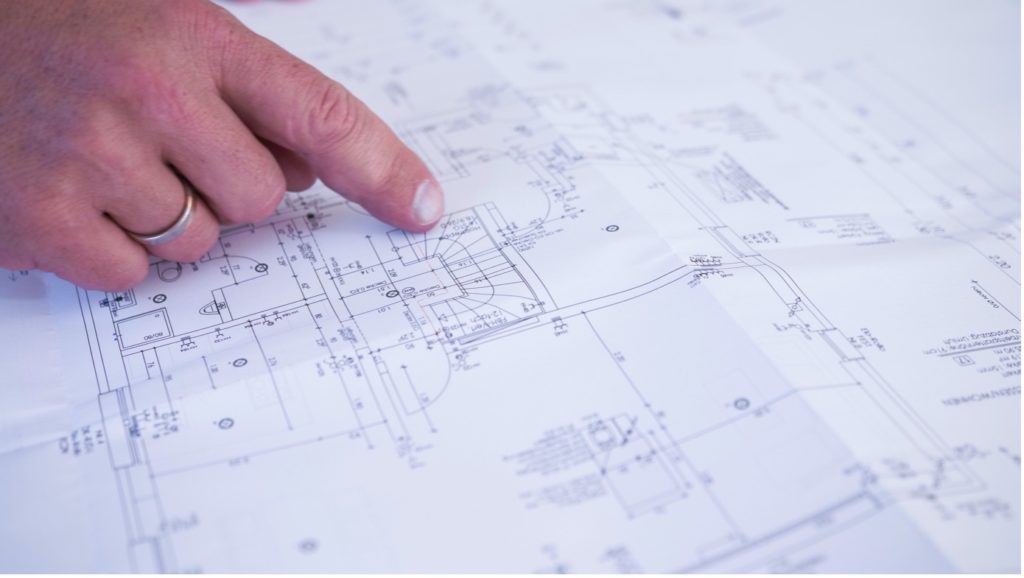
Rötzer tip: Plan the house plan in advance. With the help of a drawing you can divide the rooms and get a more precise picture of the house you want. This can be of great advantage when speaking with professional planners. If you build with Rötzer, we will of course advise you on the floor plan design.
2. Buying an unsuitable property
Every now and then it happens that a property is available at a really affordable price. However, caution applies here. Such properties often come with hidden costs. Before buying, always be sure to check the condition of the potential building area.
These aspects will help you evaluate:
- Link to property: Does the property have good infrastructure? An unfavorable location can lead to high travel expenses.
- Hilly location: If the property is located on a slope, building a house requires expensive earthworks.
- Ground conditions: Is the land also suitable as a construction site? Unfavorable conditions such as swampy terrain quickly cause problems. A subsurface investigation is therefore advisable for evaluation.
- Contaminants: The old and dilapidated buildings on the property require demolition work before the actual new construction. These also incur additional costs.
3. Building for the present instead of the future
Most people build a home to live in for the rest of their lives. It is therefore a big mistake to base your planning only on the current situation. Be sure to consider your future needs. This could be a desire to have children, which implies the need for additional rooms, a planned independence requiring work space, or an expanded attic in which another apartment will be built. The basic rule is: don’t plan modestly just to keep your budget as low as possible, but rather invest in the house that will still offer you everything you need in ten or twenty years.
4. Overestimate your technical abilities
Each builder has the opportunity to personally participate in the construction of the house by providing so-called personal contributions. This can save costs because banks count their contribution as equity capital: the participation can be offset by up to 15% of construction costs. However, this is only advisable if the builders actually possess the proper craftsmanship. If you are unsure or have undeveloped skills, it is not advisable to work alone. If construction errors made by laypeople need to be repaired, this lengthens construction time and costs additional money.
5. assign undeclared work
Although the lower costs and simple procedure are attractive, those who outsource undeclared work are not only acting illegally, but also losing the right to a guarantee. This can lead to many problems later. If construction defects occur, there is no guarantee that the errors will be corrected. Instead, you will have to turn to the experts to make up for the shortcomings – hello, additional costs and additional construction time. It is best to leave construction work to the professionals so you can be sure that all the work is done professionally.
6. Paying benefits too early
Beware of construction companies that invoice services that are not yet fully provided. As a building family you want things to go quickly and smoothly, which encourages you to pay the bills and open the door to further construction work. But be careful: you only pay once your new home is completed and the building inspection has been carried out. Otherwise you may end up with unfinished construction work.
7. Carry out the building inspection yourself
Once the house is completed, the final point of the construction project occurs: the building inspection. This involves checking whether the building complies with the granted planning permission. The house is also checked for any defects before it officially becomes the property of the builder family. Often the client wants to attend the building inspection, but doing it alone is a big mistake. This is because specific aspects of the construction work cannot be professionally assessed by lay people, meaning that defects are quickly overlooked. So be sure to consult a construction expert who knows what to look out for. This is the only way to create a comprehensive acceptance report that guarantees you a high-quality building.
8. Don’t check the documents
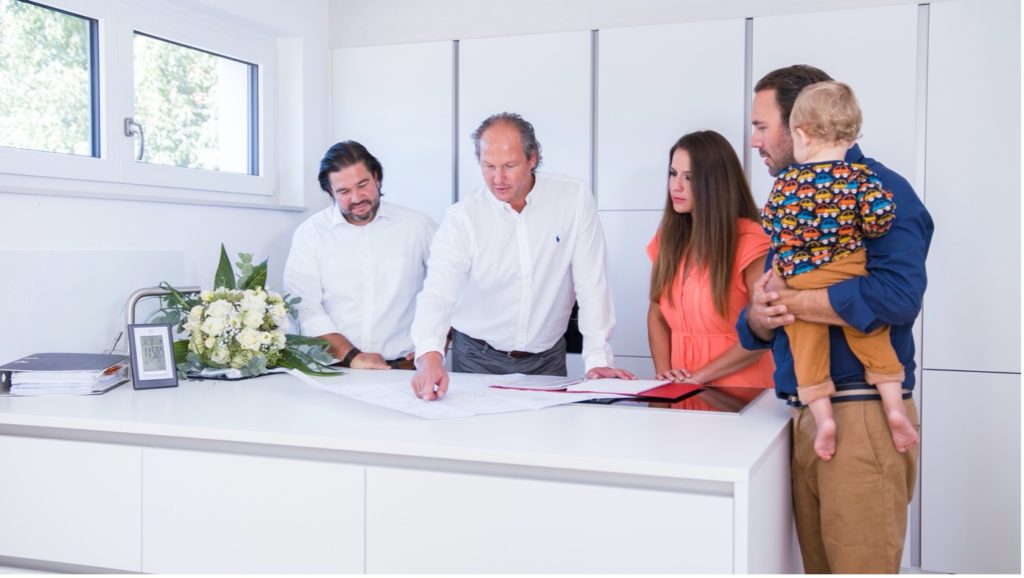
Whether it’s the construction contract at the beginning or the invoice at the end of the construction process, be sure to check your documents. Once you set up your signature and later notice a discrepancy, it will be difficult to implement subsequent changes. It is therefore best to take your time and browse the documents at your leisure. Don’t be afraid to ask questions either. A sincere construction partner will certainly be happy to answer your questions.
Rötzer tip: In our article “Construction contract: Here’s what construction families should pay attention to” we have summarized for you what you should consider when signing a construction contract.
9. Disposing of documents too early
The lack of evidence is a nuisance in every way. If you want to prove construction defects, understand the costs or deduct craft work from your taxes, you need the corresponding invoice. Therefore keep all documents at least until their official expiration. For example, the current warranty period for new buildings is 5 years. During this period it is possible to provide valid evidence of construction defects using construction documents.
Rötzer tip: A separate folder for all documents related to the construction of your house makes administration easier for you. Photos and notes can also help you understand details later.
10. Endangering the blessing of the house due to stress during construction
Building a house costs time, money and often a lot of nerves. A serious mistake builders can make is transferring the resulting stress to their social life. Disputes can certainly happen in a relationship or family. However, you should always keep in mind that building a house is an exceptional situation and that peace and serenity will return to your everyday life as soon as you move into it. Until then, communication comes first. Clarifying conversations prevents frustration from building up and the blessing of the home from tipping over. Take time for yourself and your loved ones and clear your mind from construction matters to focus on your relationship. After all, a beautiful home is nothing without the people who live in it.
With these 10 tips you can avoid mistakes when building a house and move into your new home with peace of mind, just as many of our Rötzer building families have already done. Read construction reports on building a house with Rötzer brick elements on our website or browse our gallery of Rötzer reference houses for inspiration.
latest posts published

The Magic of Flowers from Seeds: How to Grow Beauty from Scratch – Home & Family > Plants

The most beautiful autumn flowers. Perennial plants to have in the garden – Home and family > Plants

Sunflower, romantic and seductive – Home and family > Plants

Plants with good Feng Shui – Home and family > Plants

Which vegetables grow the fastest? 10 varieties to have in the garden – Home and family > Plants

Dwarf roses: color and freshness – Home and family > Plants

How to make potted lilacs last longer – Home and family > Plants
Bayer plants for a green future! – Home and family > Plants

Trees with good Feng Shui – Home and family > Plants