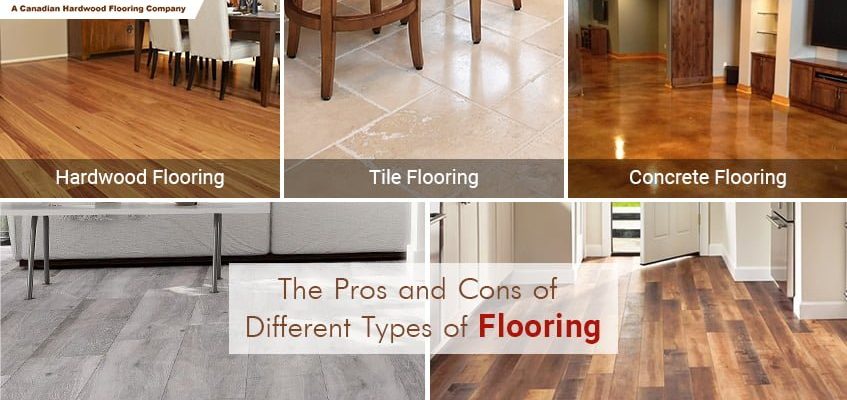
Laminate, cork, tiles & Co: the selection of floor coverings offers an inspiring variety with which you can lay the perfect foundation for your living concept. Carefully selected floors not only increase the quality of life, but also reflect your personal preferences and practical use of each room. We have clearly summarized the advantages and disadvantages of floor coverings and different materials and provide you with an overview so that you can find the best solution for every room. Find out in this article how different floors can optimally fulfill their function in different rooms.
Advantages and disadvantages of floor coverings
Floor coverings play a crucial role in interior design as they have both aesthetic and functional properties. Choosing the right floor covering depends on the intended use, desired lifespan and specific environmental conditions. The advantages of floor coverings include ease of maintenance, improvement of room acoustics and the ability to create a specific atmosphere. However, there are also disadvantages, such as higher costs or complex installation. It is therefore important to understand and evaluate the properties, advantages and disadvantages of each floor covering to make the best decision for a long-lasting and pleasant living or working environment.
Parquet – practical and versatile
When it comes to design, parquet is the all-rounder among floors. Since it is made of real wood, the parquet is a real all-rounder in terms of design. Made of real wood, it gives every room a warm and exclusive atmosphere. It is an interesting choice, especially for lovers of wood, with its different types: from beech, to walnut, to olive. It is preferably used in living rooms, dining rooms and bedrooms. Although signs of wear may appear over time, the parquet can be sanded and will be almost as good as new. When purchasing a wooden floor, however, it is important to consider the specific use and abrasion classes, as these can vary depending on the type of parquet. Here is a brief overview of the advantages and disadvantages of parquet:
Advantages of parquet
- Wide range of designs
- Greater durability thanks to the possibility of sanding
- Natural material for an eco-sustainable choice
- Effective thermal insulation for additional comfort
- Compatible with underfloor heating
- Quick and easy installation thanks to the practical click system
Disadvantages of parquet
- Higher cost than other flooring options
- Possibility of transmitting noise and footsteps
- Regular care such as sanding, waterproofing or refreshing is required
- The natural color changes after installation depending on sunlight
- Expansion of the material in different climatic conditions
- Sensitive to humidity
Laminate – the cost-effective alternative to parquet
Laminate offers an economical alternative to parquet because it is not made from real solid wood, but rather from chipboard or fibreboard. It impresses with a variety of designs, including the look of wood, slate and tiles, which skillfully imitate natural structures. Sturdy workmanship and affordable price make laminate one of the most sought after floor coverings. The covering is particularly popular in rooms such as bedrooms, living rooms and children’s rooms, as well as in corridors. A fundamental difference compared to parquet is that laminate cannot be sanded; If there are visible signs of wear or damage, the affected boards or areas should be replaced. Also, depending on the product, laminate may be sensitive to moisture.
Advantages of laminate
- Inexpensive
- Large selection of designs
- Suitable for underfloor heating
- Quick and easy installation thanks to the click system
Disadvantages of laminate
- May be sensitive to humidity
- Does not retain heat
- It cannot be sanded
- It may increase impact noise, so additional insulation material is recommended
- Requires expansion joints
- Need for transition tracks at the boundaries of other floor coverings
Tiles: resistant and easy to clean
Tiles are becoming more and more popular, certainly due to the variety of styles. Due to their hygienic properties – low maintenance and longevity – they are traditionally installed in humid environments such as bathrooms, cellars, corridors or kitchens. In addition to the traditional smooth variants, it is also possible to use rough tiles, which are also suitable for designing a modern living area. Also in this case it is important to consider the different abrasion groups. Repairing tile damage is quite complex because it is usually necessary to replace the entire damaged tile. The advantages and disadvantages of this floor are:
Advantages of tiles
- Easy to maintain
- Hygienic and anti-allergic
- Wide range of designs
- Durable
- Perfect for humid areas
- Compatible with underfloor heating systems
Disadvantages of tiles
- Higher price level
- Depending on the type of tile, it may look fresh and less familiar
- Fragile and difficult to replace
- Complicated installation, often only possible with the help of a specialist

Vinyl Flooring: New Design, Installed Quickly
Designer vinyl flooring, also known as PVC, has improved its image significantly in recent years. They now come in a variety of designs, including vinyl flooring with a wood or stone look. Thanks to strict legal regulations, it is guaranteed that both the coatings and the adhesives are free of harmful substances. However, it is important to know more about the product in question before purchasing. PVC is suitable for both the living area and the kitchen and bathroom. The advantages and disadvantages of this floor are:
Advantages of designer vinyl:
- Large selection of designs
- Sound absorbing properties and pleasantly warm for the feet
- Ideal for underfloor heating systems
- Simple installation
- Hygienic and therefore ideal for allergy sufferers
- Certified products guarantee safety
Disadvantages of designer vinyl:
- Sensitive to pressure effects such as furniture prints
- Beware of potentially harmful plasticizers (check product information carefully)
- Requires a very flat surface for installation
On purpose: Although the two terms are often used interchangeably, designer vinyl is not automatically the same thing as PVC! Do you want to be on the safe side? Then look for certifications such as Blue Angel or the eco-INSTITUT label.
Carpet: cozy atmosphere, good thermal insulation
To create a particularly cozy and inviting atmosphere in rooms, carpet is a good choice. This floor covering is often installed in bedrooms and children’s rooms. The choice is wide because carpets are available in a wide variety of patterns, colors and materials. Allergy sufferers should pay particular attention to the allergic versions. The carpet is also a good sound and cold insulating material. One disadvantage, however, is the sensitivity to stains. In this case, carpet tiles are ideal because damaged or dirty parts can be easily replaced.
Advantages of the carpet:
- Provides thermal insulation and sound insulation
- Create a welcoming atmosphere
- The slip resistance makes the material ideal for children’s bedrooms
- Affordable compared to other options
- Easy to transfer
Disadvantages of the carpet:
- Sensitive to stains
- It can be difficult to clean
- Often less durable than other floor coverings
- Only partially suitable for allergy sufferers
Cork: Naturally warm for feet
Cork is a natural material obtained from tree bark. This floor covering not only offers a warm and cozy atmosphere, but is also particularly pleasant for barefoot runners, as it keeps the floor temperature warm down to the feet. Cork is also ideal for allergy sufferers and promotes a healthy indoor climate thanks to its moisture-regulating properties. However, the soft surface of cork is prone to pressure points. It is therefore generally advisable to seal the floor. Cork is particularly suitable for living rooms, bedrooms and children’s rooms.
Advantages of cork:
- Made of natural material
- Excellent acoustic and thermal insulation
- Offers a comfortable and joint-friendly running experience
- Suitable for allergy sufferers
- Easy to care for
- Compatible with underfloor heating if glued
Disadvantages of cork:
- Sensitive to pressure thanks to the soft surface
- Tends to fade over time
- Sealing is recommended
- Requires an expansion joint due to natural expansion properties

Do you still have questions about the advantages and disadvantages of floor coverings or would you like to get an impression of the different floors yourself? Then come and visit us at the Rötzer sampling center! We will be happy to advise you.
latest posts published

The Magic of Flowers from Seeds: How to Grow Beauty from Scratch – Home & Family > Plants

The most beautiful autumn flowers. Perennial plants to have in the garden – Home and family > Plants

Sunflower, romantic and seductive – Home and family > Plants
Plants with good Feng Shui – Home and family > Plants

Which vegetables grow the fastest? 10 varieties to have in the garden – Home and family > Plants
Dwarf roses: color and freshness – Home and family > Plants

How to make potted lilacs last longer – Home and family > Plants

Bayer plants for a green future! – Home and family > Plants

Trees with good Feng Shui – Home and family > Plants