The multigenerational home is not a new invention. Already 150 years ago, in the era of large families, this type of accommodation was common practice. Today you can find Multigenerational homes This is especially true in rural areas, but also in urban ones People of different age groups living together increasingly popular. Normally three generations live in such a house: grandparents and parents with their children. However, it also offers the opportunity for alternative social constellations, for example with other family members and friends. Many families now consciously choose a multigenerational house because this type of living brings with it numerous advantages – in this article you will find out what they are and what you should pay attention to when building a multigenerational house.
What is a multigenerational home?
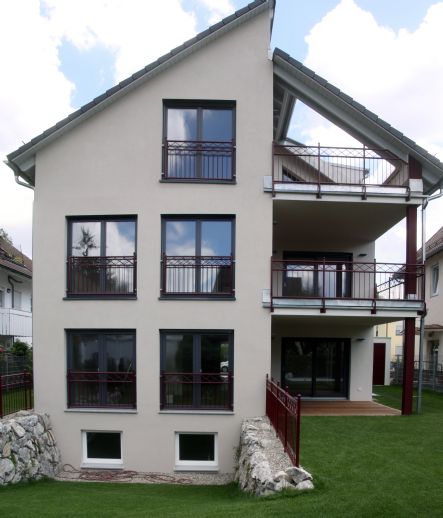
In a multigenerational home, at least two generations live under the same roof. They can be grandparents and children with grandchildren, but also friends, other family members or simply like-minded people. This way you create one shared apartmentwhere everyone can support each other, for example by having grandparents or other older residents look after children. In exchange, younger residents take care of the shopping or housework. The children in the family learn from the beginning how to be there for others and how important it is to support each other. And even people without relatives can be integrated into a found family.
Building a multigenerational home: The building should meet these requirements
Precisely because in a multigenerational home the focus is on the community of old and young, the needs of individual generations should be met. Because only those who feel comfortable within their own four walls can live in harmony with others.
Community rooms and retreats
If you want to build a multigenerational home, you should definitely do it enough space for privacy to take into consideration. Separate areas as retreats are just as important as common rooms. A multigenerational home must therefore have separate living areas and bedrooms for individual residents. Children’s rooms and bathrooms can also remain private. However, other rooms, such as a large living room, kitchen or garden, can be used together. Individual residents gather in these places in the houseto spend time together.
Building a multigenerational home: Accessibility is a must
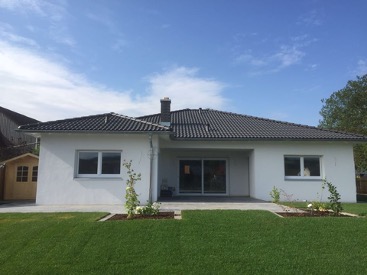
In order for coexistence under the same roof to be successful, The older generation should be able to move around the house unhindered. A multigenerational home always requires a high degree of freedom of movement and accessibility. The bungalow construction method, for example, is suitable for this. Here, stairs and steps are completely dispensed with. Furthermore, the doors can be made accessible to wheelchair users. In multi-storey house types it is also possible to install age-appropriate stairs. This means that areas on the first or second floor are always easily accessible for older residents. Sanitation also requires thoughtful planning. Like, it should
The advantages of the multigenerational home at a glance
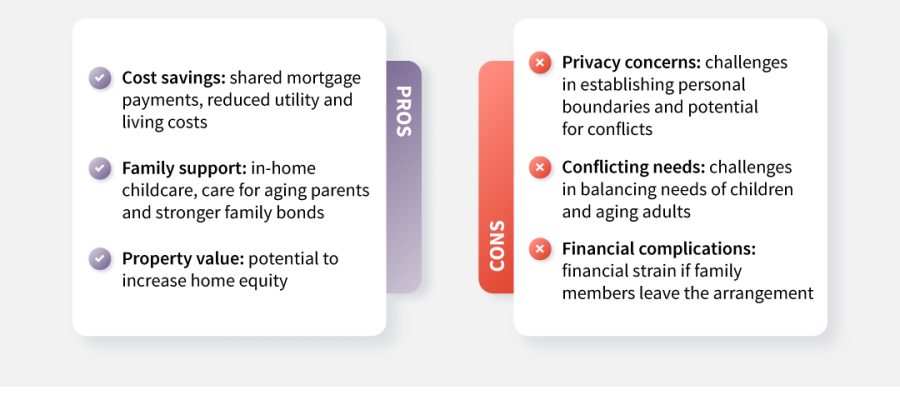
- In a shared house, all housemates benefit from mutual support and joint problem-solving
- The costs of building a house can be shared
- Maintenance is not the responsibility of an individual
- Landscaping work can be done together
- The maintenance of a large house is cheaper than two separate houses and can even be divided individually: large shoulders carry more weight than small ones
- A multigenerational home is good security for old age
- Large household appliances can be shared by the family unit; The acquisition costs therefore only occur once
- If the building is built as a two-family house, the loan can be requested twice. Please speak to your lender or bank in advance.
The cons: Living in a multigenerational home requires openness and communication
The intergenerational lifestyle brings with it many social and economic benefits, but also several restrictions. In a multigenerational house, as in all other shared apartments, consideration of roommates is always required. Although private spaces are taken into account during construction, living in a shared house is still determined by the housemates. People who prefer a lot of quiet and privacy should be aware of this fact. They are also important for harmonious coexistence clear rules and agreements.
Important characteristics of residents of a multigenerational house are:
- Communication skills
- Interest in conflict and problem solving
- Openness to constructive criticism
- Availability to compromise
Anyone who possesses these characteristics will be able to enjoy the benefits of a multigenerational home.
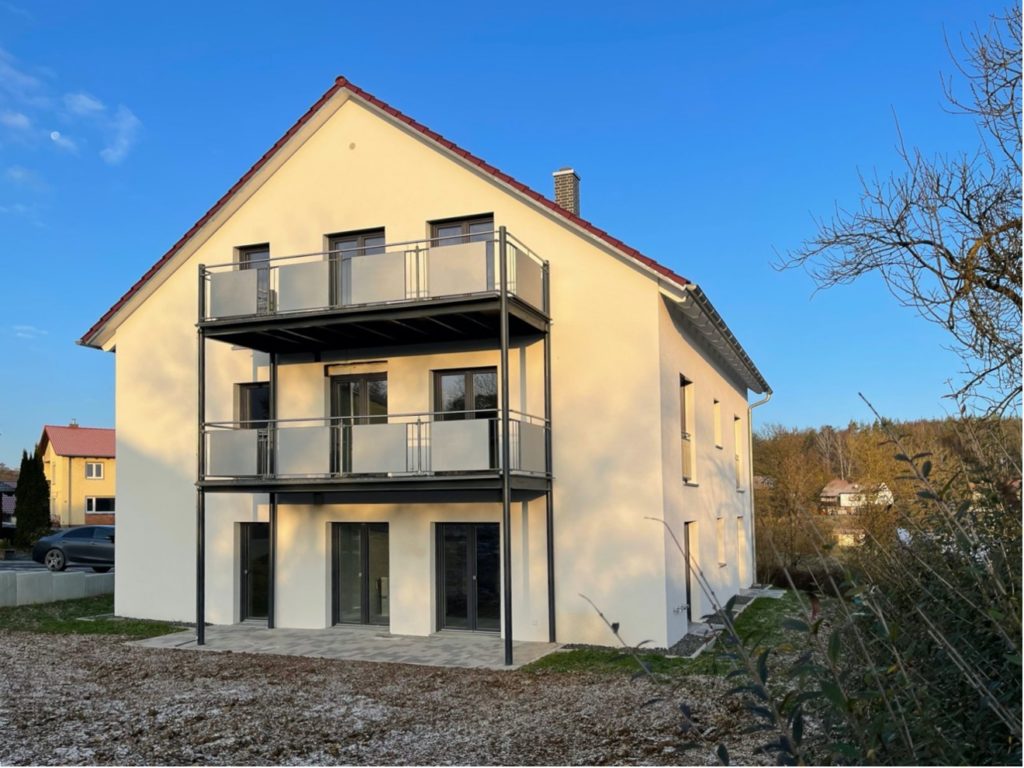
Build a multigenerational house – our Rötzer experts will be happy to advise you
With Rötzer experts by your side, you can very personal multigenerational home build. We develop a floor plan tailored exactly to your needs. Our Rötzer experts are at your side, from the first sketch to handing over the keys. We are happy to hear from them.
Based on our house typologies, not only multigenerational houses can be designed, but also… even for example Condominiums in urban areas. Talk to us.
latest posts published
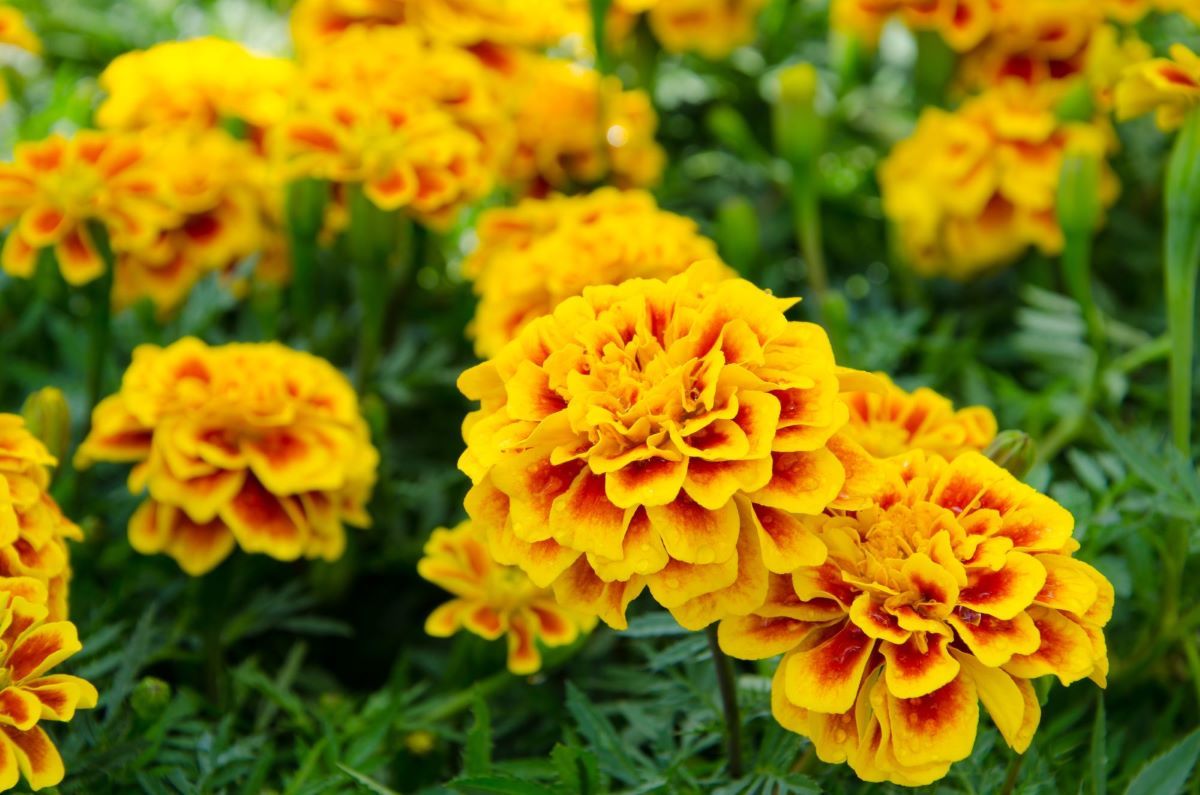
The Magic of Flowers from Seeds: How to Grow Beauty from Scratch – Home & Family > Plants
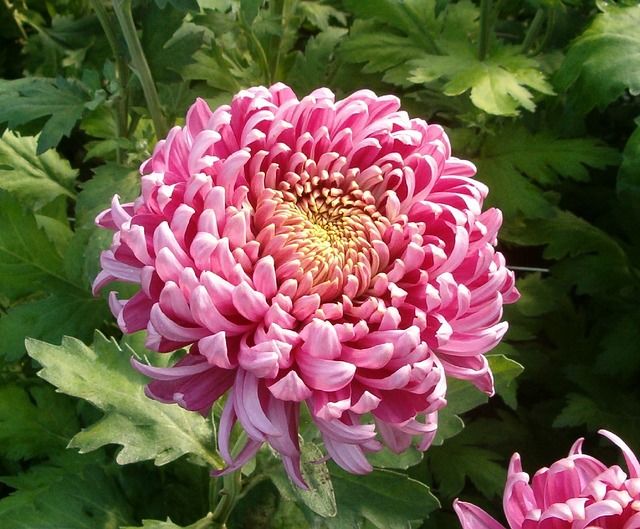
The most beautiful autumn flowers. Perennial plants to have in the garden – Home and family > Plants

Sunflower, romantic and seductive – Home and family > Plants

Plants with good Feng Shui – Home and family > Plants

Which vegetables grow the fastest? 10 varieties to have in the garden – Home and family > Plants
Dwarf roses: color and freshness – Home and family > Plants

How to make potted lilacs last longer – Home and family > Plants

Bayer plants for a green future! – Home and family > Plants

Trees with good Feng Shui – Home and family > Plants