Daylight has a major impact on human well-being. We feel this regularly after the dark winter months, when the mood improves noticeably in the first sunny days. But we also need light for working, cooking, reading and numerous other daily activities. Precisely for this reason it is important that there is enough natural light in your living space. With well-thought-out lighting design you not only ensure that the rooms in your home are sufficiently bright, but you also potentially save energy and therefore money. In this article we will explain what you should take into account when planning the lighting in a new building.
What is meant by lighting design?
Lighting design is an important part of building design. It involves strategically placing light sources throughout your home to create a functional, aesthetic, and energy-efficient lighting system. The purpose of lighting design in a new building is to equip the various rooms of the house with sources of natural and artificial light so that they satisfy the specific requests and needs of the residents, both day and night.
Basic lighting and secondary lighting
In general, in lighting design a distinction is made between: Basic lightingalso called work lighting, and the Secondary lightingwhich mainly contributes to the atmosphere of the room. Plus there’s the Safety lightingwhich helps prevent accidents in your own home. When designing the lighting of a new building all types of lighting should be taken into account and, when combined with each other, create a harmonious lighting concept.
Window design as part of the lighting design in a new building
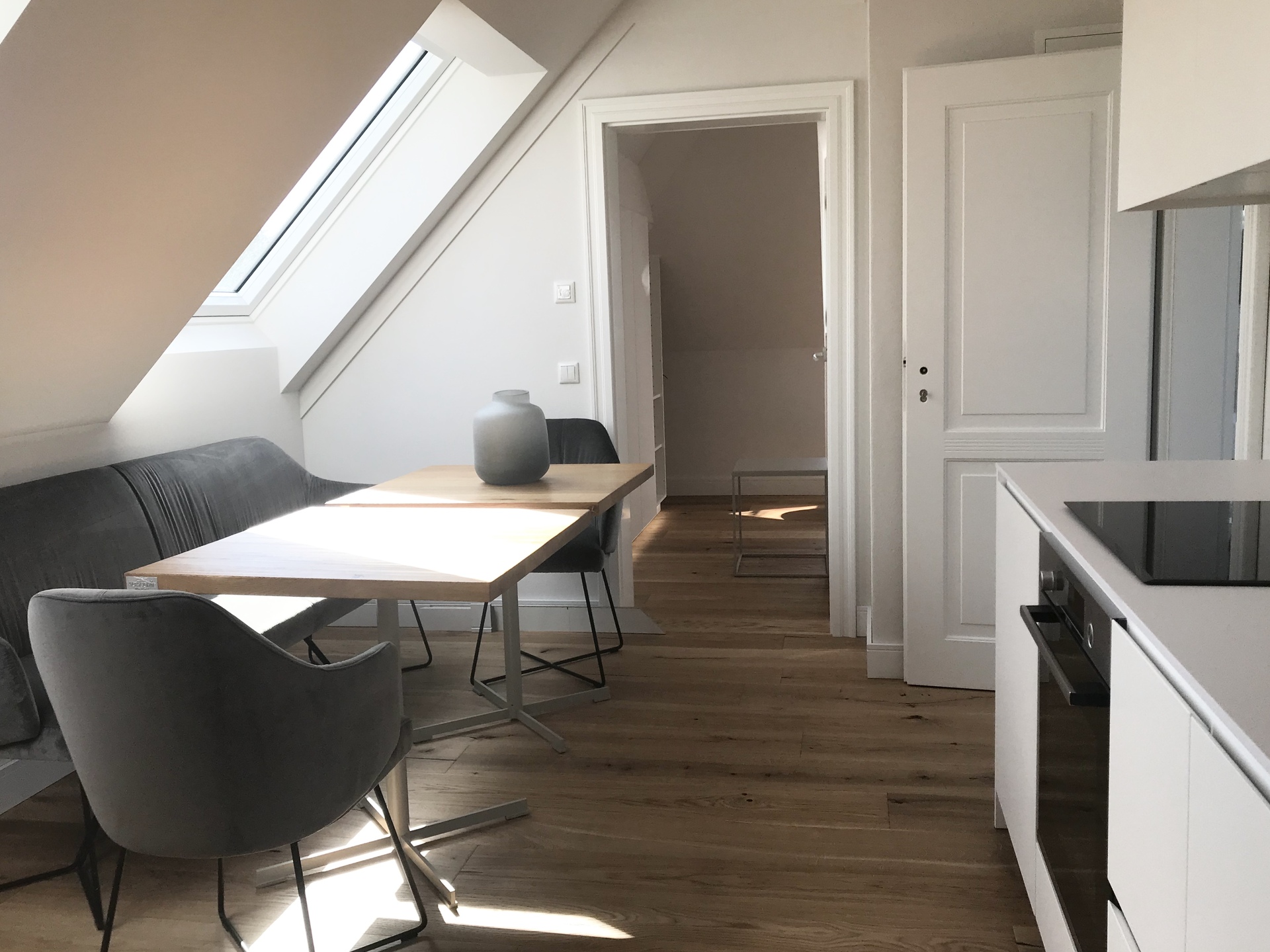
Light planning always includes window planning, as it determines the incidence of natural light. This plays an important role in your own home, because daylight ensures a certain feel-good factor in the rooms and also has a practical purpose. Because if there is enough natural light in the room, you can save electricity for lighting.
When designing windows it is necessary to take into account the orientation of the house and therefore the possible position of the windows. South-facing windows receive the most sunlight and therefore let bright, warm light into rooms, while north-facing windows let in more diffuse, cold light. East-facing windows provide morning light, while west-facing windows catch afternoon light.
So think about which room requires what type and intensity of daylight. The size and number of windows should then be planned so that sufficient light can enter the rooms without causing excessive glare or unwanted heat.
You can find more information about window planning in our blog post “Window Planning Made Easy – Everything You Need to Know”. Please feel free to read it.
Lighting planning in new buildings: You should take these areas into account
Of course when designing lighting in a new building you need to consider the entire building. However, there are areas that require particular attention because they require a specific type of lighting. Below we have summarized these areas for you into three categories: work, lounge and transit areas.
Work areas
A well-thought-out lighting concept in the workplace promotes productivity and concentration. It is not for nothing that Germany has its own standard for lighting design in indoor workplaces. DIN EN 12464-1 prescribes that the “visual task area” – i.e. the area in which the work is carried out – must be sufficiently illuminated. The same applies to the “immediate surrounding areas”, in which e.g. B. you can store the necessary tools or use the open space to work.
Of course, in private residential buildings strict compliance with this standard is not required. However, when planning basic lighting, you should ensure that work areas are well lit. This applies, for example, to:
- the kitchen worktop
- the bathroom sink
- the desk of the internal office
- the worktops in the hobby rooms
- the changing table in the bedroom
Lounge and relaxation areas
Even in new buildings, lounge and relaxation areas require well-studied lighting design. Usually a mix of basic and secondary lighting is required here. These areas include the following rooms:
- nursery
- Stay
- bedroom
- Dining area
It is difficult to make a general statement about the ideal incidence of light because people’s needs and preferences are very different. While some people like their living room to be bright, others prefer less intense light. The situation is similar in the bedroom. Would you like to be woken up by the sun? Then you should consider east windows. If you prefer it darker in the morning, we recommend that it faces north.
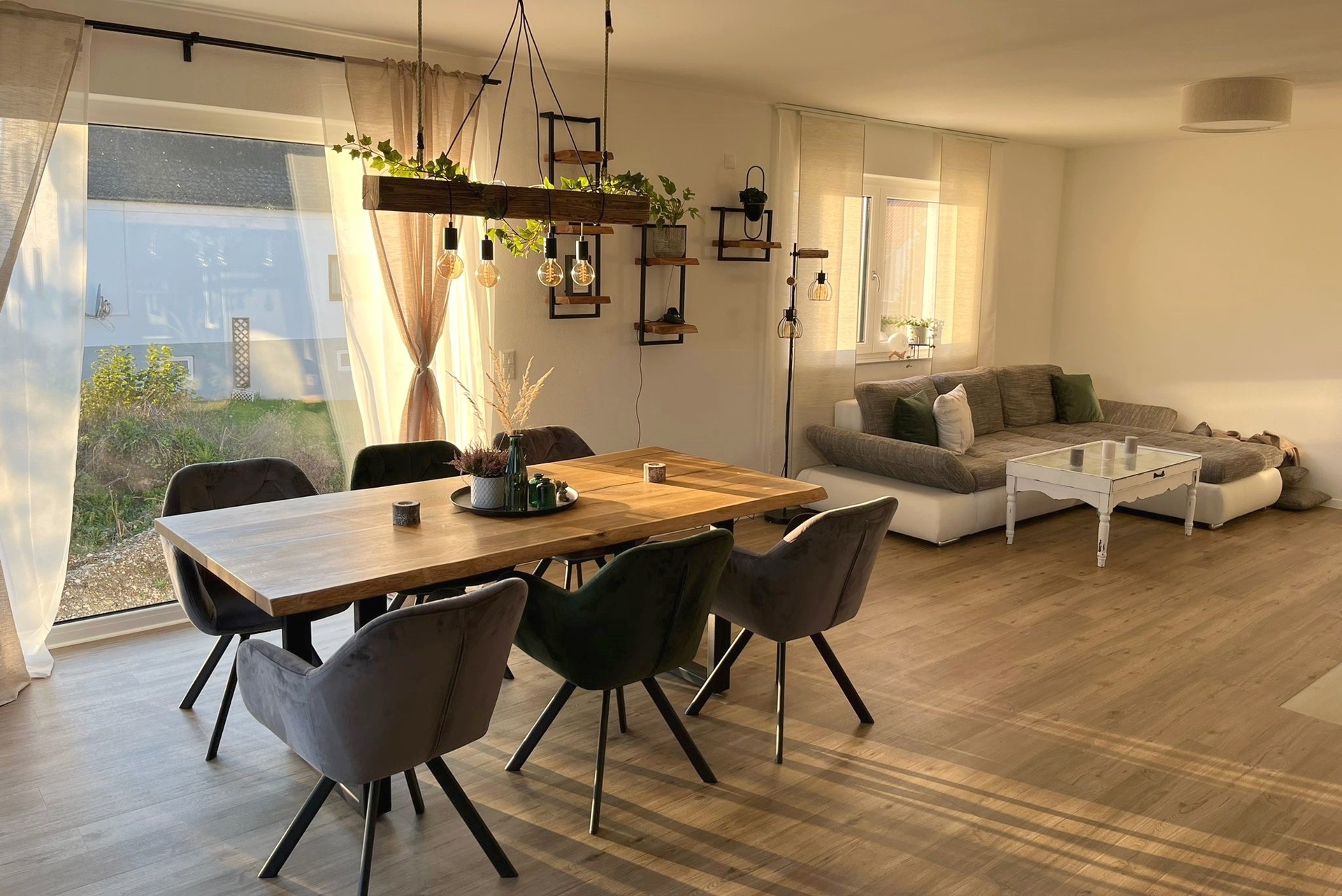
Electric lighting in relaxation rooms is also a matter of taste. Many people prefer indirect lighting which has a discreet but suggestive effect. Others rely on complete lighting of the room with ceiling lights.
Our advice: Leave all options open. The following applies especially when installing lamps: twice is better. Small floor lamps are the ideal complement to ceiling projectors. This means you can change depending on your mood and still light up the room if needed.
Stairs and passage areas
When planning lighting in a new building, areas not intended for longer stays should also be taken into account. Transit areas such as stairs or corridors require good lighting for safety reasons. Both daytime and artificial lighting at night are therefore essential to prevent falls and allow better orientation. Complete lighting of passage areas is particularly recommended in families with children and the elderly. Motion detectors are also suitable for this. They turn on and off independently and illuminate the surrounding environment only when someone passes by. This saves electricity in the long term because you don’t forget to turn it off.
Further tips on the topic of age-appropriate furnishings can be found in our blog post “Building age-appropriate houses – a house for life!” summary for you. Check it out.
For further reading
Have you already designed the lighting of your interior spaces? So now you should tackle the outside area. In our article “Designing garden lighting: How to set the scene in your garden with style” you will find tips for atmospheric garden lighting.
latest posts published

The Magic of Flowers from Seeds: How to Grow Beauty from Scratch – Home & Family > Plants

The most beautiful autumn flowers. Perennial plants to have in the garden – Home and family > Plants

Sunflower, romantic and seductive – Home and family > Plants

Plants with good Feng Shui – Home and family > Plants

Which vegetables grow the fastest? 10 varieties to have in the garden – Home and family > Plants

Dwarf roses: color and freshness – Home and family > Plants

How to make potted lilacs last longer – Home and family > Plants

Bayer plants for a green future! – Home and family > Plants

Trees with good Feng Shui – Home and family > Plants